

Prostate Health & Wellness - Men's Good Health
Take charge of your prostate health with real, expert-backed advice. From prevention and smart nutrition to spotting BPH and prostate cancer symptoms early, we’ve got you covered. Explore practical, no-nonsense ways to protect your prostate and stay strong through every stage of life.

Urologist - Approved Tips for Better Health
From dietary choices to medical breakthroughs, discover scientifically proven ways to enhance prostate function, reduce inflammation, and improve urinary health. Access expert recommendations tailored for men’s wellness.

Essential Prostate Care for Every Age
Whether you’re in your 30s or 60s, understanding prostate health is crucial. Get age-specific tips on maintaining optimal function, avoiding potential issues, and embracing a proactive approach to men’s health.
Public Awareness
Raising awareness on prostate health with expert insights, prevention tips, and early detection guidance.
Live Sessions
Join expert-led live sessions on prostate health, featuring urologists, treatment insights, and Q&A sessions.
Expert Urologists
Get guidance from top urologists with years of experience in prostate health, care, and treatment.
Pan India
Connecting men across India with expert prostate health advice, top doctors, and trusted medical insights.
About Us
Empowering men with expert-driven insights for better prostate health and lifelong wellness.

Men’s Good Health
At Men’s Good Health, we are committed to helping men understand and prioritize their well-being. Our platform offers reliable, expert-backed information on prostate health, urological concerns, and overall men’s wellness. We believe that staying informed is the first step toward leading a healthier, more confident life.
With guidance from top urologists and healthcare professionals, we provide easy-to-follow advice, treatment options, and practical lifestyle tips tailored to men’s unique health needs. Whether you're looking for preventive care, managing specific conditions, or simply making healthier choices, we are here to support you every step of the way.
Men’s health is often overlooked, but early detection and proactive care can make a significant difference. Our goal is to break the stigma surrounding men’s health discussions and encourage open conversations about vital health issues. By equipping you with the right knowledge, we empower you to take charge of your well-being and make informed decisions about your health.
Your health matters—start your journey to a healthier life with Men’s Good Health today!
Your Prostate Health Journey
Simple, actionable steps to take control of your men's wellness today.
Understand Your Genetic Blueprint
Dive deep into your family's medical past to determine your inherited risk factors, giving you a powerful, personalized head-start in crafting your proactive health strategy long before any symptoms appear.
Know the Symptoms
Commit to recognizing the subtle early red flags, including frequent nighttime interruptions, a hesitant or weak urine stream, or unexpected lower pelvic discomfort, so you can confidently differentiate normal aging from a real cause for concern.
Prevent & Lifestyle
Adopt a sustainable daily lifestyle shift by incorporating anti-inflammatory whole foods like nuts and colorful berries into your diet. Pair this with consistent brisk walking and stress-reducing breathwork to build a strong, resilient defense against prostate issues.
Monitor Your Daily Signals
Build a simple, quick tracking habit where you log your fluid intake and bathroom frequency each evening. This transforms vague, anxious feelings into concrete, measurable data that arms your urologist with highly actionable insights during your check-ups.
Expert Care
Bypass long, stressful waiting periods and directly connect with board-certified urologists who specialize entirely in men's wellness. Get immediate access to compassionate, precise diagnostic tests and a completely tailored, stage-by-stage treatment roadmap.
Restore Holistic Wellness
Restore vitality and balance by addressing post-treatment fatigue with gentle, targeted muscle exercises. Simultaneously, integrate guided daily meditation to deeply regulate your sleep cycle, reduce chronic anxiety, and restore your inner balance.
Key Takeaways
Your quick guide to maintaining prostate health and overall men's wellness.
Early Detection Saves Lives
Regular screenings (PSA tests) are crucial for men over 50. Catching issues early dramatically improves treatment outcomes.
Diet & Exercise are Powerful Tools
A balanced diet rich in lycopene (tomatoes) and omega-3s, combined with daily cardio and Kegel exercises, significantly lowers BPH and cancer risks.
Listen to Your Body's Signals
Frequent urination, weak flow, or pelvic pain are not "normal aging." They are symptoms that require immediate consultation with a urologist.
Stress Management is Key
High cortisol levels from chronic stress can disrupt hormonal balance. Deep breathing, meditation, and quality sleep are essential for prostate health
City
Doctors
Live Session
Likes
Why Choose Men's Good Health?
We are committed to providing authentic, evidence-based, and expert-driven health guidance.
Expert Reviewed
Every piece of information we provide undergoes a rigorous review by board-certified practicing urologists. This careful process guarantees our advice is scientifically accurate, clinically relevant, compassionate, and completely safe for your daily wellness journey.
100% Authentic
We construct our content exclusively upon current, peer-reviewed medical research and official clinical guidelines from top bodies like the AUA. This steadfast commitment to rigorous, evidence-based facts guarantees every piece of advice we provide is authentic and completely reliable.
Patient-Centric
Your well-being is our foremost priority. We consciously set aside complex clinical jargon, choosing instead to speak in a warm, clear, and straightforward tone. Our ultimate goal is to empower you with practical, easy-to-grasp knowledge to make confident health decisions.
Symptoms
Recognize Prostate Symptoms Early - Stay Informed, Stay Healthy!
Frequent Urination
Frequent urination is the need to urinate more often than usual, especially at night (nocturia). It can disrupt sleep, daily activities, and indicate an underlying prostate issue like benign prostatic hyperplasia (BPH) or prostatitis. The enlarged prostate can press against the urethra, making the bladder work harder, leading to increased urgency and a constant feeling of needing to urinate.

Weak Urine Flow
Weak urine flow refers to a slow, interrupted, or difficult-to-start stream of urine. It is often caused by an enlarged prostate (BPH) pressing against the urethra, restricting urine flow. This can lead to straining during urination, incomplete bladder emptying, and frequent trips to the restroom. If left untreated, it may cause complications like urinary tract infections or bladder dysfunction.

Painful Urination
Painful urination, also known as dysuria, is a burning or stinging sensation while urinating. It can be caused by prostate inflammation (prostatitis), infections, or an enlarged prostate blocking urine flow. This discomfort may be accompanied by urgency, frequent urination, or lower abdominal pain. If persistent, it could indicate a serious condition requiring medical evaluation and treatment.

Incomplete Bladder Emptying
Incomplete bladder emptying is the feeling that the bladder hasn’t fully emptied after urination. It is often caused by an enlarged prostate (BPH) obstructing urine flow, weakening bladder muscles, or nerve dysfunction. This can lead to frequent urination, dribbling, and increased risk of infections. Left untreated, it may cause urinary retention, discomfort, or bladder damage, requiring medical attention.

Erectile Dysfunction
Erectile dysfunction (ED) is the inability to achieve or maintain an erection firm enough for sexual activity. It can be linked to prostate issues like benign prostatic hyperplasia (BPH), prostatitis, or prostate cancer treatments affecting nerves and blood flow. Hormonal imbalances, stress, or medications may also contribute. If persistent, ED can impact mental well-being and may require medical evaluation.

Prostate Health Nutrition
Power up your prostate with the right foods and nutrients.
Lycopene & Tomatoes
Cooked tomatoes are packed with lycopene, a powerful antioxidant that reduces oxidative stress and lowers the risk of prostate cancer.
Omega-3 Fatty Acids
Found in fatty fish like salmon and sardines, Omega-3s reduce prostate inflammation and support overall cellular health.
Green Tea & Antioxidants
Rich in catechins, green tea has been shown to inhibit the growth of prostate cancer cells and support urinary function.
Zinc & Pumpkin Seeds
Rich in zinc, pumpkin seeds actively shrink enlarged prostates and naturally calm frequent nighttime bathroom urges.
Selenium & Brazil Nuts
Brazil nuts contain selenium, a potent antioxidant that protects prostate tissue from cell damage and cancer progression.
Cruciferous Veggies
Broccoli and cauliflower provide sulforaphane, a natural compound that triggers your body to flush out prostate cancer-causing toxins.
Prostate Prevention Tips
Proactive steps you can take today to protect your prostate health for tomorrow.
Stay Active Daily
Engage in at least 30 minutes of moderate exercise (walking, jogging, swimming) 5 days a week.
Hydrate Properly
Drink 8-10 glasses of water daily. Staying hydrated flushes out toxins and reduces bladder irritation.
Avoid Processed Foods
Limit red meat and processed foods. Replace them with fruits, vegetables, and whole grains.
Regular Check-ups
Don't wait for symptoms. Book your annual wellness check-up and discuss prostate health with your doctor.

Stay Active, Stay Healthy
Regular exercise is vital for prostate health, reducing inflammation, improving circulation, and supporting hormonal balance. Activities like Kegels, cardio, strength training, and yoga enhance urinary function and lower prostate disease risks. Stay active, prevent complications, and take charge of your well-being with a fitness routine tailored for lifelong prostate wellness.
Kegel Exercises
Strengthen pelvic floor muscles to improve bladder control, reduce urinary leakage, and support prostate health.
Pelvic Tilts
Improve pelvic flexibility, relieve lower back tension, and promote better urinary function by enhancing core stability.
Walking or Jogging
Improves heart health, reduces inflammation, helps manage weight, and lowers the risk of prostate diseases like BPH and cancer.
Deep Breathing & Meditation
Reduces stress, lowers cortisol levels, balances hormones, and supports overall prostate and urinary health.
Expert Doctors
Connect with Top Specialists for Trusted Prostate Health Care & Advice!

Dr. Amaresh Mohan
Consultant Uro - OncologistHyderabad

Dr. Anshul Garg
Sr. Urologist & AndrologistAgra

Dr. Navneet Mishra
Consultant Urologist & UrogynecologyLucknow

Dr. J. Arjun Prakash
Consultant Urologist, Andrologist & Transplant SurgeonGuntur
Browse Our Gallery
Visual Insights & Informative Infographics for Better Prostate Health!


Real Reviews from Our Community
Hear from men who transformed their health journey with our expert-backed guidance.
"After reading the articles on Mens Good Health, I realized my frequent urination wasn't normal. I consulted a urologist they recommended and got treated early. This site is a lifesaver!"

Ajay K.
"The detailed diet and exercise guides helped me lower my PSA levels naturally. I highly recommend this platform to every man over 40."

Manaoj Raj
"I was scared of prostate surgery, but the expert insights on this site gave me the confidence to talk to my doctor. The recovery tips were exactly what I needed."

Anurag Singh
Our Blogs
Explore Expert Blogs on Prostate Health, Wellness, and Prevention Tips!

Prostate Care
Prostate Health: Essential Tips for Men
Learn how to maintain a healthy prostate with simple lifestyle changes, diet tips, regular check-ups, and preventive care.

Prostate Diet
Best Foods for a Healthy Prostate
Discover the best foods to support prostate health, reduce inflammation, and lower the risk of prostate problems naturally.

Prostate Symptoms
Early Signs of Prostate Problems Every Man Should Know
Learn to recognize early signs of prostate issues, including frequent urination, pain, and weak urine flow, for timely treatment.
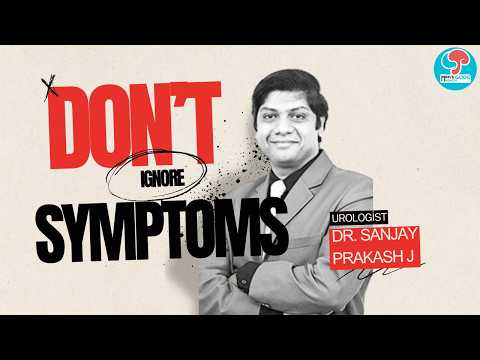
Watch Our Expert Videos
Short, practical video guides on prostate health and men's wellness.


Frequently Asked Questions
Get Answers to Your Prostate Health Questions - Expert FAQs & Insights!
What is the prostate, and what does it do?
The prostate is a small gland in men that produces seminal fluid, which nourishes and transports sperm.
What are common prostate health issues?
Common prostate conditions include benign prostatic hyperplasia (BPH), prostatitis, and prostate cancer.
What are the symptoms of an enlarged prostate (BPH)?
Frequent urination, weak urine flow, difficulty starting urination, and nighttime urination.
How can I reduce my risk of prostate problems?
Maintain a healthy diet, exercise regularly, stay hydrated, and go for routine check-ups.
What foods are good for prostate health?
Tomatoes, green tea, fatty fish, nuts, seeds, and cruciferous vegetables support prostate health.
How often should I get my prostate checked?
Men over 50 (or 40 with a family history of prostate issues) should have regular screenings.
What is the PSA test, and why is it important?
The PSA (Prostate-Specific Antigen) test measures PSA levels in the blood to detect prostate issues early.
Can prostate problems affect sexual health?
Yes, conditions like BPH and prostatitis can cause erectile dysfunction and reduced libido.
Are prostate issues treatable?
Yes, treatments include lifestyle changes, medications, minimally invasive procedures, and surgery if necessary.
When should I see a doctor for prostate issues?
If you experience difficulty urinating, blood in urine, pelvic pain, or erectile dysfunction, consult a doctor immediately.
Still have questions? Contact Us
Quick Expert Q&A
Straight answers from leading urologists to your most pressing questions.
Yes! Drinking 8-10 glasses of water daily helps flush bacteria from your urinary tract, significantly reducing the risk of UTIs.
Kegel exercises are the most effective for strengthening pelvic floor muscles, improving bladder control, and reducing urinary leakage.
Common signs include sudden strong urges to urinate, frequent urination (more than 8 times daily), and waking up multiple times at night to urinate.
Yes, stress can worsen bladder symptoms like urgency, frequency, and incontinence. Managing stress through yoga, meditation, and exercise helps.
People Also Ask
Quick answers to the most common prostate health questions searched by men worldwide.
What are the early warning signs of prostate problems?
Early signs include frequent urination (especially at night), weak or interrupted urine flow, difficulty starting/stopping, blood in urine/semen, and persistent lower back or pelvic pain.
At what age should a man start getting prostate screenings?
According to the American Urological Association, men at average risk should start routine screenings at age 50. Men with a family history of prostate cancer should start at age 40-45.
Does diet really affect prostate cancer risk?
Yes. Diets high in processed meats and dairy may increase risk, while diets rich in lycopene (tomatoes), green tea, nuts, and cruciferous vegetables are linked to a lower risk.
Can prostate problems affect sexual health?
Absolutely. Conditions like BPH, prostatitis, and certain prostate cancer treatments can lead to erectile dysfunction (ED), reduced libido, and painful ejaculation.
Contact Us
Expert Advice & Care – Contact Us for Prostate Health Support Today!
If You Have Any Query,
Please Contact Us
If you have any questions or need more information, feel free to reach out to us. Our team is here to assist you with any inquiries related to prostate health, treatment options, or general well-being. We are committed to providing the best support and guidance to help you make informed decisions about your health. Contact us today, and we’ll be happy to assist you.
Ready to Take Control of Your Health?
Don't wait for symptoms. Connect with our expert urologists and start your journey to better prostate health today.